
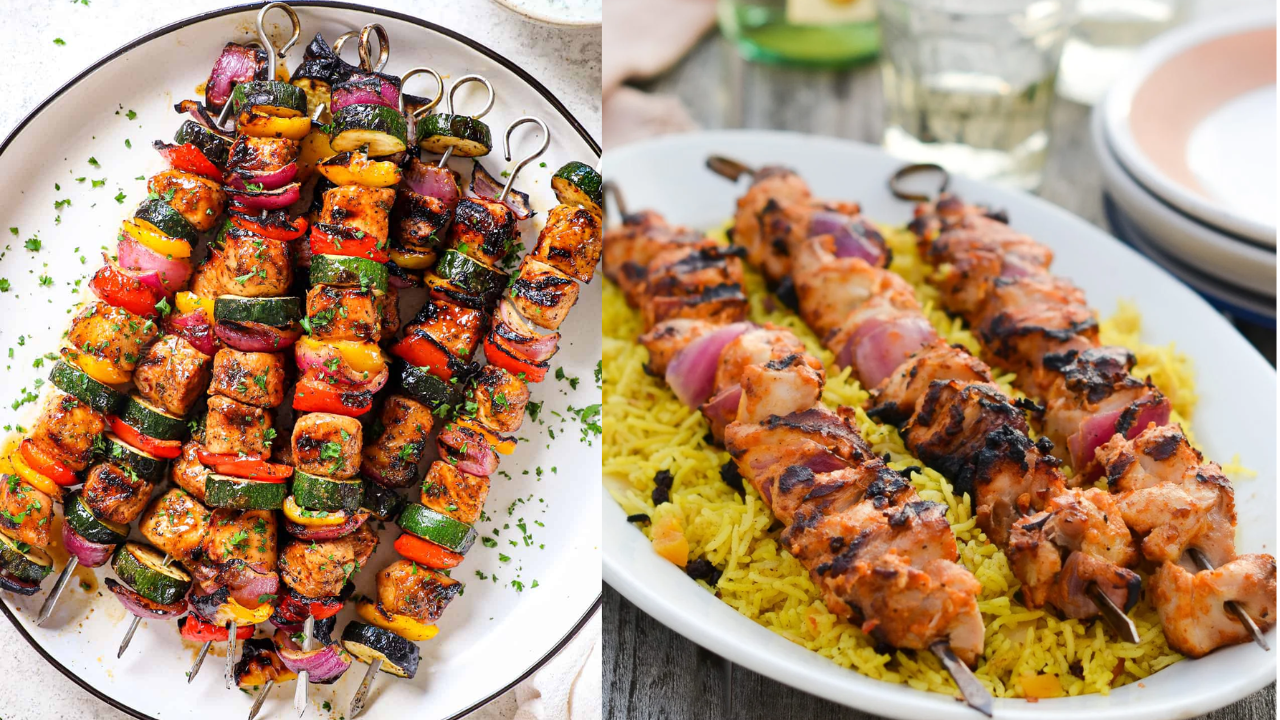
There’s something irresistible about restaurant-style chicken kebabs—the smoky aroma, the juicy bite, and the perfect balance of spices that melts in your mouth. Whether enjoyed as a starter, wrapped in naan, or served with chutney, chicken kebabs are a universal favorite across cultures. Many people believe that achieving that soft, succulent texture at home requires a tandoor or professional grill, but that’s far from true. With the right cut of chicken, a well-balanced marinade, and proper cooking techniques, you can recreate the same restaurant-quality kebabs in your own kitchen. This detailed guide walks you through every step, from choosing ingredients to cooking and serving, ensuring your chicken kebabs turn out tender, smoky, and full of flavor every time.
What Makes Chicken Kebabs Juicy Like Restaurants?
Restaurant-style chicken kebabs are not the result of luck—they follow specific principles that guarantee tenderness and flavor. The first key factor is the cut of chicken. Most restaurants prefer boneless chicken thighs or a combination of thighs and breast because thighs naturally contain more fat, which keeps the meat moist during cooking. The second factor is the marinade. A yogurt-based marinade tenderizes the chicken fibers while locking in moisture. Third, adequate marination time allows spices and acids to penetrate deeply, improving both flavor and texture. Finally, high-heat cooking creates a beautiful char on the outside without drying out the inside. When these elements are combined correctly, the result is soft, juicy, and flavorful kebabs that rival any restaurant offering.
Choosing the Right Ingredients for Restaurant-Style Chicken Kebabs
The quality of ingredients plays a huge role in the final outcome. Boneless chicken thighs are ideal because they remain juicy even when cooked over high heat. Chicken breast can be used, but it requires extra care to prevent dryness. Thick yogurt, preferably hung curd, forms the base of the marinade. Yogurt breaks down protein fibers gently, making the chicken tender without turning mushy.
Acidic ingredients like lemon juice enhance flavor but must be used in moderation. Aromatics such as ginger-garlic paste provide warmth and depth, while olive oil helps seal in moisture. The spice blend—red chili powder, paprika, cumin, coriander, garam masala, turmeric, and salt—creates the bold, balanced flavor profile associated with restaurant kebabs. Optional additions like fresh cream, cashew paste, or crushed kasuri methi elevate the dish, adding richness and that unmistakable restaurant-style aroma.
Ingredients List for Juicy Chicken Kebabs (Restaurant Style)
Chicken
Use 700 grams of boneless chicken thighs for the juiciest result. If using chicken breast, cut it into medium-sized cubes to prevent overcooking.
Marinade Base
Thick yogurt acts as a natural tenderizer. Lemon juice adds brightness, while olive oil keeps the meat moist. Ginger-garlic paste enhances aroma and depth.
Spice Blend
Red chili powder provides heat, paprika adds color and mild smokiness, cumin and coriander powders bring earthiness, garam masala adds warmth, turmeric offers subtle bitterness, and salt balances everything.
Optional Restaurant Enhancers
Fresh cream or cashew paste increases richness, while crushed kasuri methi adds a distinctive, authentic flavor commonly used by professional kitchens.
Step-by-Step Juicy Chicken Kebab Recipe
Step 1: Preparing the Marinade
Begin by taking a large mixing bowl and adding thick yogurt, lemon juice, ginger-garlic paste, olive oil, and all the spices. Whisk everything thoroughly until the mixture becomes smooth and lump-free. This ensures the spices are evenly distributed and prevents uneven flavor during cooking. If using fresh cream or cashew paste, mix it in at this stage to enhance juiciness.
Step 2: Marinating the Chicken
Add the chicken pieces to the prepared marinade and coat them evenly. Make sure each piece is fully covered, as this ensures consistent flavor and tenderness. Cover the bowl and refrigerate for at least two hours. For best results, marinate overnight. Longer marination allows the yogurt and spices to penetrate deeply, resulting in softer, more flavorful kebabs.
Step 3: Skewering the Chicken
Once marinated, thread the chicken pieces onto skewers, leaving small gaps between each piece. These gaps allow heat to circulate evenly, ensuring uniform cooking. If using wooden skewers, soak them in water for 20 minutes beforehand to prevent burning.
Step 4: Cooking the Chicken Kebabs
Chicken kebabs can be cooked using multiple methods depending on available equipment.
For grilling or BBQ, preheat the grill to medium-high heat. Place the skewers on the grill and cook for 12–15 minutes, turning occasionally until the chicken is lightly charred and fully cooked.
For pan-grilling, heat a grill pan with a little oil over medium heat. Cook the skewers, turning frequently until evenly browned. Cover the pan for the last two minutes to retain moisture.
For oven or air fryer cooking, preheat to 200°C. Arrange the skewers on a tray or rack and cook for 15–18 minutes, flipping once. Finish with a short broil to achieve charred edges.
Step 5: Final Restaurant-Style Finish
Once cooked, brush the hot kebabs with melted butter or ghee. This adds shine, richness, and enhances flavor. Sprinkle chaat masala and squeeze fresh lemon juice just before serving for a bright, authentic finish.
Pro Tips for Extra Juicy Chicken Kebabs
Achieving consistently juicy kebabs requires attention to detail. Always prefer chicken thighs over breast for moisture. Avoid excessive lemon juice, as too much acid can toughen the meat. Cook on medium-high heat rather than low heat to prevent drying. Remove kebabs as soon as juices run clear—overcooking is the most common mistake. Let kebabs rest for two minutes before serving so the juices redistribute evenly.
Common Mistakes That Make Chicken Kebabs Dry
Many home cooks unknowingly make errors that affect texture. Using only chicken breast without added fat often results in dryness. Overcooking, especially in ovens or air fryers, removes moisture quickly. Skipping resting time after cooking causes juices to escape. Too much acid in the marinade breaks down proteins excessively, leading to toughness. Avoiding these mistakes ensures tender kebabs every time.
Best Side Dishes to Serve with Chicken Kebabs
Chicken kebabs pair beautifully with cooling and fresh accompaniments. Mint chutney, garlic sauce, or yogurt-based dips balance the spices. Onion salad with lemon adds crunch and brightness. Butter naan, pita bread, or flatbreads turn kebabs into a complete meal. Kebabs also work well in wraps with lettuce, tomatoes, and sauces. Hummus or yogurt dip adds creaminess and complements the smoky flavor.
Conclusion
Juicy, restaurant-style chicken kebabs are not limited to professional kitchens or special equipment. With the right ingredients, a balanced marinade, and proper cooking techniques, you can recreate soft, smoky, and flavorful kebabs right at home. This recipe is versatile enough for family dinners, weekend grilling, or festive gatherings, and it delivers consistent results every time. Once you master these techniques, chicken kebabs will become a regular feature in your meals, offering unbeatable flavor, texture, and satisfaction that rivals your favorite kebab restaurant.
Frequently Asked Questions
1. Which chicken cut is best for juicy kebabs?
Chicken thighs are best because they contain more fat and stay moist.
2. How long should I marinate chicken for kebabs?
Minimum 2 hours; overnight marination gives restaurant-style softness.
3. Can I make chicken kebabs without yogurt?
Yes, but yogurt helps tenderize. You can substitute with buttermilk or fresh cream.
4. Why do my chicken kebabs turn dry?
Overcooking or using only chicken breast usually causes dryness.
5. Can I store cooked chicken kebabs?
Yes, refrigerate for up to 2 days. Reheat gently to avoid drying.