
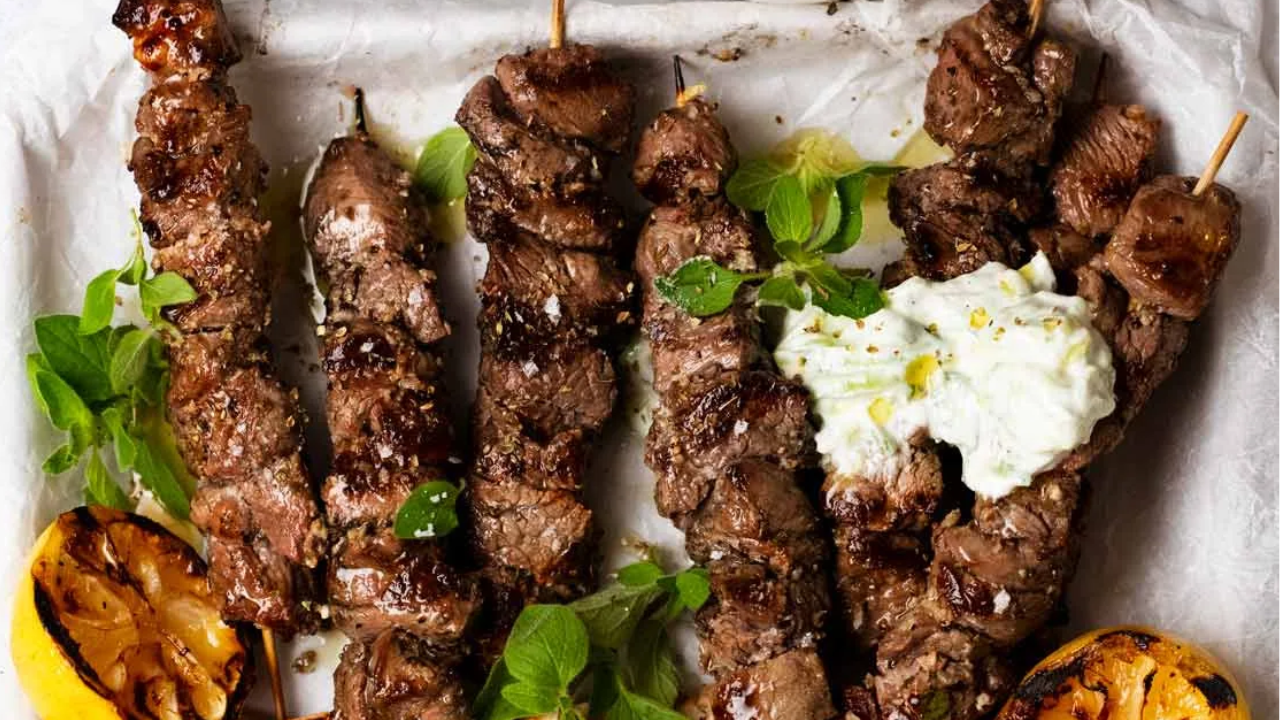
If you enjoy food that is bold, aromatic, and deeply satisfying, lamb kebabs deserve a special place in your kitchen. Across Middle Eastern, Turkish, Persian, and South Asian cuisines, lamb kebabs are celebrated for their rich flavor, juicy texture, and irresistible smoky aroma. When prepared correctly, lamb kebabs are tender inside, beautifully charred outside, and packed with layered spices that linger on the palate. Many people believe restaurant-style lamb kebabs are difficult to make at home, but with the right cut of meat, proper marination, and correct cooking techniques, you can achieve exceptional results in your own kitchen. This detailed guide walks you through everything you need to know.
Why Lamb Kebabs Taste Better Than Other Kebabs
Lamb kebabs have a depth of flavor that sets them apart from chicken or vegetable kebabs. This superiority comes from several natural and culinary factors.
First, lamb contains natural fat, especially when cuts like shoulder or leg are used. This fat melts during cooking, keeping the kebabs moist and preventing dryness. Unlike lean meats that require heavy marination to stay juicy, lamb retains tenderness naturally.
Second, lamb pairs exceptionally well with traditional spices such as cumin, coriander, black pepper, and garam masala. These spices enhance the meat’s earthy flavor instead of overpowering it.
Third, lamb handles high-heat cooking beautifully. When grilled or pan-seared, it develops a smoky, slightly crisp exterior while remaining soft inside.
Finally, lamb kebabs maintain their texture even after cooking, making them ideal for grilling, barbecuing, or air frying without becoming rubbery or dry.
Choosing the Right Cut of Lamb for Kebabs
The foundation of great lamb kebabs is selecting the right meat.
Best Cuts for Minced Lamb Kebabs
- Lamb shoulder – Ideal balance of meat and fat, extremely flavorful
- Lamb leg (with some fat) – Slightly leaner but still tender if not overcooked
Avoid ultra-lean minced lamb, as it produces dry, crumbly kebabs. A fat content of 15–20% is perfect.
Minced at Home vs Store-Bought
If possible, ask your butcher to freshly mince lamb shoulder. Freshly minced meat has better texture, moisture retention, and flavor compared to pre-packaged mince.
Ingredients for Soft & Smoky Lamb Kebabs
Lamb
- 700 g minced lamb (shoulder or leg, with fat)
Aromatics
- 1 medium onion, very finely chopped or grated
- 2 tablespoons ginger-garlic paste
- 2 tablespoons fresh coriander leaves, finely chopped
- 1 tablespoon fresh mint leaves (optional but recommended)
Traditional Spice Mix
- 1½ teaspoons cumin powder
- 1 teaspoon coriander powder
- 1 teaspoon red chili powder (adjust to heat preference)
- 1 teaspoon paprika (for color and mild sweetness)
- ½ teaspoon garam masala
- ½ teaspoon black pepper
- Salt to taste
Binding & Moisture
- 1 tablespoon oil or melted butter
- 1 tablespoon gram flour (besan) or breadcrumbs
Step-by-Step Lamb Kebab Recipe
Step 1: Preparing the Kebab Mixture
In a large mixing bowl, add the minced lamb. Sprinkle in the finely chopped or grated onion. Grating the onion is highly recommended because it releases flavor without leaving chunky bits that can break the kebab structure.
Add ginger-garlic paste, fresh coriander, mint leaves, all the spices, salt, oil or melted butter, and gram flour or breadcrumbs.
Using clean hands, gently mix the ingredients until just combined. Do not overmix. Overworking the meat makes kebabs dense and tough instead of soft and juicy.
Step 2: Resting the Mixture
Cover the bowl and refrigerate the mixture for 45–60 minutes.
This step is crucial because:
- It allows spices to fully penetrate the meat
- The mixture firms up, making shaping easier
- Kebabs hold their shape better during cooking
Skipping this step often results in fragile kebabs that fall apart.
Step 3: Shaping the Lamb Kebabs
Lightly grease your palms with oil. Take a portion of the mixture and shape it around metal or wooden skewers. If not using skewers, form long oval or cylindrical kebabs.
Press gently—do not compact the meat tightly. A slightly loose structure ensures airflow inside the kebab, keeping it tender after cooking.
If using wooden skewers, soak them in water for 30 minutes to prevent burning.
Step 4: Cooking the Lamb Kebabs
Method 1: Grill / BBQ (Best Smoky Flavor)
This method delivers the most authentic kebab taste.
- Preheat the grill to medium-high heat
- Lightly oil the grates
- Place kebabs on the grill
- Cook for 10–12 minutes, turning every 2–3 minutes
- Ensure even charring on all sides
The kebabs should be browned outside and juicy inside.
Method 2: Pan-Grill / Tawa (Indoor Friendly)
Perfect when outdoor grilling isn’t possible.
- Heat a grill pan or heavy tawa on medium heat
- Add a little oil
- Place kebabs gently on the pan
- Cook slowly, turning carefully until evenly browned
- Total cooking time: 12–15 minutes
Avoid high flame; medium heat ensures even cooking without burning.
Method 3: Oven or Air Fryer (Healthy Option)
- Preheat oven or air fryer to 200°C
- Line a tray with parchment paper or lightly grease it
- Arrange kebabs with space between them
- Bake for 15–18 minutes, turning once
- Broil or air-fry for 2 additional minutes for charred edges
This method produces juicy kebabs with less oil.
Step 5: Adding Extra Smokiness
To recreate restaurant-style aroma:
- Heat a small piece of charcoal until red hot
- Place it in a heatproof bowl
- Put the bowl in the center of the cooked kebabs
- Drizzle a few drops of oil or ghee on the charcoal
- Immediately cover the dish tightly
- Let it smoke for 2 minutes, then uncover
This adds deep smoky flavor without overpowering the dish.
Pro Tips for Soft, Juicy Lamb Kebabs
- Always use lamb with natural fat
- Finely grate onions to avoid excess moisture pockets
- Never overmix or over-compact the meat
- Cook on medium-high heat, not very high
- Let kebabs rest for 2–3 minutes before serving
- Avoid flipping too frequently while cooking
Common Mistakes to Avoid
- Using extra-lean lamb mince
- Skipping the resting time
- Adding too much binder
- Cooking on very high heat
- Overcrowding the pan or grill
Correcting these mistakes instantly improves texture and flavor.
Best Side Dishes for Lamb Kebabs
Lamb kebabs pair beautifully with fresh and creamy sides.
Sauces & Chutneys
- Mint chutney
- Garlic yogurt sauce
- Tahini sauce
- Hummus
Accompaniments
- Pickled onions
- Cucumber and tomato salad
- Fresh lemon wedges
Breads
- Pita bread
- Naan
- Flatbreads or wraps
Serving Ideas
- Serve kebabs on a platter with sliced onions and lemon
- Wrap them in pita with salad and sauce
- Pair with rice pilaf for a complete meal
- Use leftovers in sandwiches or kebab bowls
Storage & Reheating Tips
- Store cooked kebabs in an airtight container for up to 2 days
- Reheat gently on a pan or in the oven
- Avoid microwaving for long periods, as it dries the meat
Conclusion
Lamb kebabs are a timeless classic for a reason—they offer unmatched flavor, tenderness, and aroma when prepared with care. With the right cut of lamb, balanced spices, proper resting, and controlled cooking, you can easily recreate restaurant-quality lamb kebabs at home. Whether grilled outdoors, pan-seared indoors, or baked for a healthier version, this recipe delivers consistently soft, smoky, and juicy results. Serve them with fresh sides, flavorful sauces, and warm bread for a complete experience. Once you master this method, lamb kebabs will become a go-to dish for gatherings, celebrations, and indulgent meals alike.
Frequently Asked Questions
1. Which cut of lamb is best for kebabs?
Lamb shoulder or leg with some fat gives the best softness and flavor.
2. Why do lamb kebabs sometimes smell strong?
Poor-quality lamb or lack of spices can cause this. Fresh herbs and proper marination balance the aroma.
3. Can I make lamb kebabs without a grill?
Yes, pan-grilling, oven baking, or air frying works very well.
4. How do I keep lamb kebabs soft?
Use fat-rich lamb, avoid overcooking, and let the mixture rest before cooking.
5. Can lamb kebabs be frozen?
Yes, uncooked lamb kebabs can be frozen for up to 1 month.