
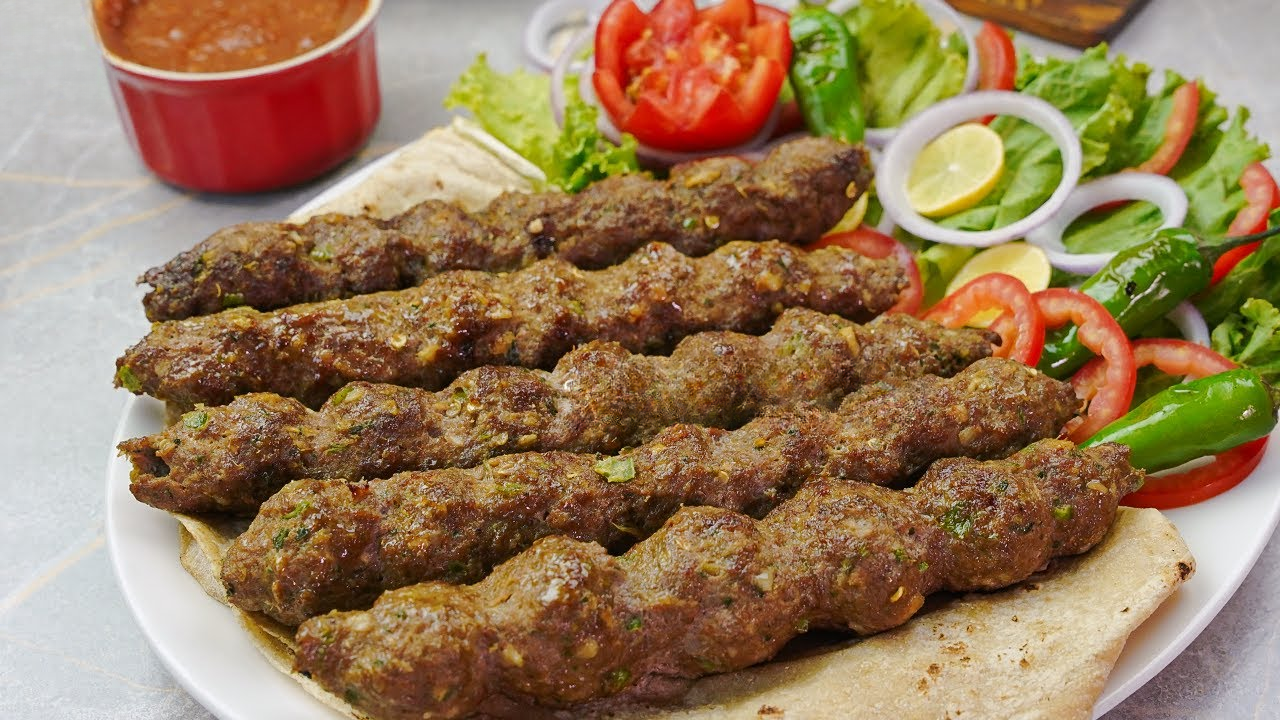
Seekh kebabs are one of the most iconic dishes of South Asian and Middle Eastern cuisine. Known for their smoky aroma, bold spices, and tender texture, seekh kebabs have been a staple at celebrations, street food stalls, and family gatherings for generations. Traditionally cooked on skewers over open flames, these minced-meat kebabs are deeply flavorful and surprisingly easy to prepare when done correctly.
A great seekh kebab recipe relies on balance—between spices and meat, moisture and structure, heat and timing. When properly prepared, seekh kebabs are juicy on the inside, lightly crisp on the outside, and packed with layered flavor in every bite.
In this guide, we explore everything you need to know about making authentic seekh kebabs at home, including ingredients, preparation, step-by-step tips, and serving ideas.
What Are Seekh Kebabs?
Seekh kebabs are cylindrical kebabs made from spiced minced meat molded around metal skewers and grilled until cooked through. The word “seekh” refers to the skewer used in cooking. These kebabs are commonly made using lamb, mutton, beef, or chicken, depending on regional preferences.
What makes seekh kebabs unique is their texture. Unlike patties or meatballs, seekh kebabs are shaped by hand onto skewers, which allows even cooking and maximum contact with heat, resulting in a signature smoky flavor.
The History and Popularity of Seekh Kebabs
Seekh kebabs originated in the Mughal kitchens of South Asia, where royal chefs perfected the art of seasoning and grilling minced meats. Over time, the recipe spread across India, Pakistan, the Middle East, and beyond, becoming a popular street food and restaurant dish.
Today, seekh kebabs are enjoyed worldwide and often served as appetizers, wraps, or main-course platters. Their rich flavor and quick cooking time make them ideal for both home kitchens and professional grilling.
Choosing the Right Meat for Seekh Kebabs
The choice of meat plays a crucial role in the final result. Traditionally, seekh kebabs are made using minced lamb or mutton, as these meats provide richness and moisture. Beef is also commonly used and works well when properly seasoned.
For lighter versions, chicken seekh kebabs are popular, though they require careful handling to maintain juiciness. A small amount of natural fat in the meat helps keep the kebabs tender and prevents them from drying out during cooking.
Spices and Aromatics That Define Seekh Kebabs
Seekh kebabs are known for their bold yet balanced spice profile. Aromatics such as onions, garlic, ginger, and green chilies form the base, while spices like cumin, coriander, garam masala, and chili powder add warmth and depth.
Fresh herbs, especially coriander and mint, bring brightness and freshness to the mixture. The key is moderation—spices should enhance the meat, not overpower it.
Binding and Texture: The Secret to Perfect Seekh Kebabs
One of the biggest challenges in making seekh kebabs is ensuring they hold their shape on the skewer. Proper mixing is essential. Kneading the minced meat with spices helps activate proteins, creating a sticky texture that binds naturally without needing excessive fillers.
Avoid adding too many binders, as this can make the kebabs dense. The mixture should be soft, slightly sticky, and easy to mold.
Step-by-Step Tips for Making Seekh Kebabs
Step 1: Prepare the Meat Mixture
Place minced meat in a bowl and add finely chopped onions, garlic, ginger, green chilies, herbs, spices, and salt. Mix thoroughly.
Step 2: Knead Until Sticky
Use your hands to knead the mixture for several minutes. This step is essential for binding and texture.
Step 3: Rest the Mixture
Cover and refrigerate the mixture for at least 30 minutes. Resting allows flavors to develop and makes shaping easier.
Step 4: Prepare the Skewers
Grease metal skewers lightly to prevent sticking. Wet your hands before shaping the kebabs.
Step 5: Shape the Kebabs
Take a portion of the mixture and mold it evenly around the skewer, pressing gently to ensure it adheres well.
Step 6: Preheat the Grill or Pan
Preheat a grill, oven, or pan to medium-high heat. Proper heat prevents kebabs from sticking or breaking.
Step 7: Cook Evenly
Cook the kebabs, turning occasionally, until evenly browned and fully cooked. Avoid overcooking to retain juiciness.
Step 8: Rest Before Serving
Allow the kebabs to rest briefly after cooking so the juices settle.
Different Ways to Cook Seekh Kebabs
While traditional seekh kebabs are grilled over charcoal, they can also be cooked indoors. Oven-baking, pan-grilling, and air-frying are all effective methods. Each method offers a slightly different texture, but proper marination and heat control ensure great results every time.
Serving Suggestions for Seekh Kebabs
Seekh kebabs are incredibly versatile. They can be served with flatbreads, rice, salads, or wraps. Fresh garnishes such as onions, herbs, and lemon wedges add brightness, while sauces enhance flavor.
They are also popular as appetizers at parties and events, as they are easy to serve and universally loved.
Common Mistakes to Avoid
Skipping the kneading step, using overly lean meat, or cooking on low heat can lead to dry or crumbly kebabs. Paying attention to technique ensures consistently good results.
Conclusion
A well-prepared seekh kebab recipe showcases the perfect harmony of spices, meat, and cooking technique. With proper preparation and attention to detail, seekh kebabs can be juicy, aromatic, and deeply satisfying.
Whether you’re making them for a family dinner, festive gathering, or restaurant-style meal, mastering seekh kebabs adds a timeless classic to your culinary repertoire.
FAQs
1. Which meat is best for seekh kebabs?
Lamb and beef are traditional choices, but chicken also works with proper seasoning.
2. Why do seekh kebabs fall off the skewer?
Insufficient kneading or overly lean meat can prevent proper binding.
3. Can seekh kebabs be cooked without a grill?
Yes, they can be baked, pan-cooked, or air-fried successfully.
4. How long should seekh kebabs rest before cooking?
Resting for 30 minutes helps improve flavor and texture.
5. Are seekh kebabs spicy?
They can be adjusted to mild or spicy depending on the amount of chili used.