
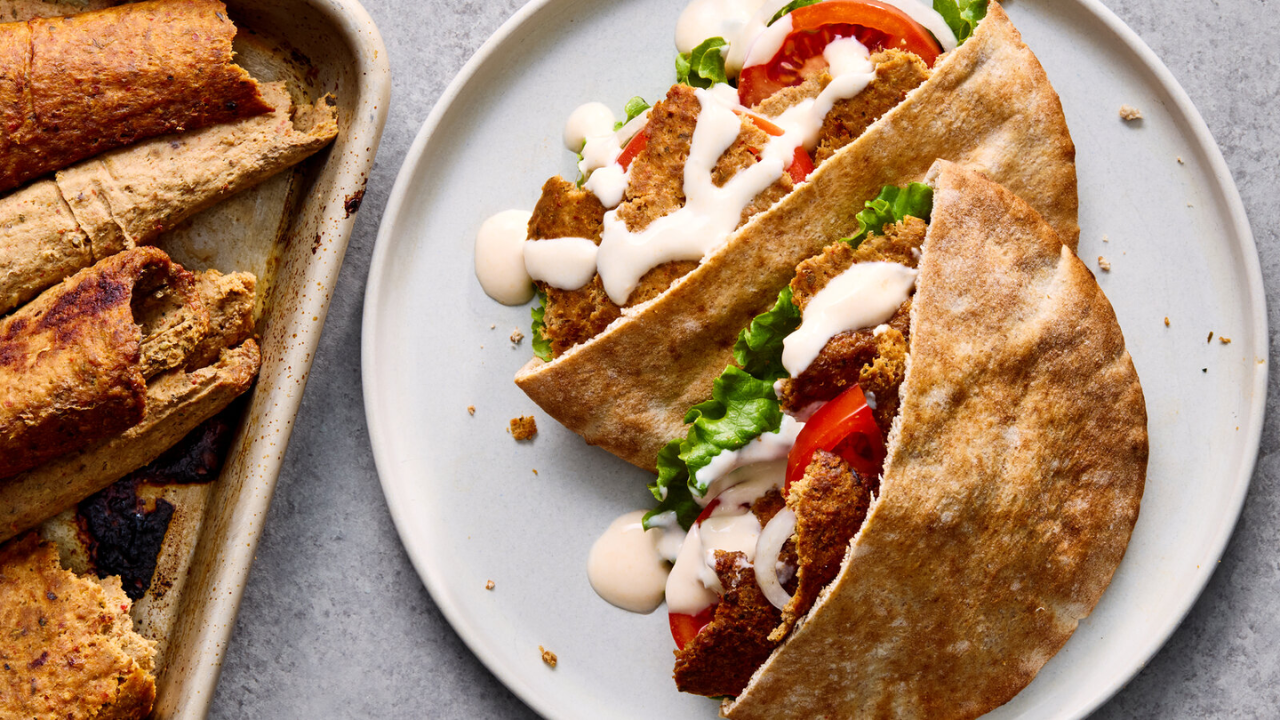
Doner kebab is one of the most famous street foods in the world. From bustling Turkish streets to food carts across Europe and beyond, doner kebabs have become a global comfort food loved for their juicy meat, bold spices, and satisfying wraps. Thinly sliced, well-seasoned meat served in flatbread with fresh vegetables and sauce creates a meal that is simple, filling, and unforgettable.
An authentic doner kebab recipe is not just about the spices—it’s about technique, patience, and balance. Traditionally cooked on a vertical rotisserie, doner kebab can still be recreated at home using smart methods that capture the same rich flavor and tender texture.
In this detailed guide, you’ll learn how doner kebab is made, how to prepare it at home, and the step-by-step tips that help you achieve restaurant-style results.
What Is Doner Kebab?
Doner kebab is a Turkish dish made from marinated meat stacked into a compact shape and slowly cooked while rotating. As the outer layer cooks, thin slices are shaved off and served hot. The word “doner” comes from the Turkish word meaning “to turn”, referring to the rotating cooking method.
Traditionally, doner kebab is made using lamb, beef, or a mixture of both. Chicken doner has also become extremely popular due to its lighter taste and faster cooking time. Regardless of the meat used, the defining features are slow cooking, thin slicing, and rich seasoning.
The History of Doner Kebab
Doner kebab originated in Turkey during the 19th century, where cooks began roasting seasoned meat vertically rather than horizontally. This method allowed fat to drip down the meat stack, keeping it moist while creating a crisp outer layer.
As Turkish immigrants spread across Europe, doner kebab gained popularity, especially in countries like Germany and the UK. Over time, it evolved into one of the most recognized street foods worldwide, with countless regional variations.
Choosing the Right Meat for Doner Kebab
The quality of meat is crucial for a successful doner kebab recipe. Lamb and beef are traditional choices because their natural fat content keeps the meat juicy during cooking. Cuts like beef chuck or lamb shoulder work particularly well.
Chicken doner kebab is another popular option, especially for those who prefer a lighter dish. Chicken thighs are ideal due to their moisture and flavor, while chicken breast requires careful marination to avoid dryness.
Thin slicing is key, so the meat must be firm and well-marinated to hold its shape during cooking.
The Role of Marinade in Doner Kebab
The marinade is what gives doner kebab its signature flavor. A well-balanced marinade typically includes yogurt or oil, garlic, onion, paprika, cumin, oregano, black pepper, and salt. Yogurt helps tenderize the meat while allowing spices to penetrate deeply.
Marinating the meat for several hours—or ideally overnight—ensures rich flavor and tenderness. This step cannot be rushed if you want authentic results.
How Doner Kebab Is Traditionally Cooked
In traditional settings, doner kebab is cooked on a vertical spit, where heat slowly cooks the outer layers. The cooked meat is shaved off in thin slices while the inner layers continue cooking.
At home, doner kebab can be recreated using ovens, grill pans, or skillets. While the vertical rotisserie is ideal, careful layering and cooking techniques can still deliver excellent results.
Step-by-Step Tips for Making Doner Kebab at Home
Step 1: Slice the Meat Thinly
Cut the meat into very thin slices. Freezing it slightly before slicing makes this easier and more precise.
Step 2: Prepare the Marinade
Mix yogurt or oil with spices, garlic, onion paste, salt, and pepper. The marinade should be thick enough to coat the meat evenly.
Step 3: Marinate Thoroughly
Add the sliced meat to the marinade and mix well. Cover and refrigerate for at least 6 hours, preferably overnight.
Step 4: Shape and Compress
Layer the marinated meat tightly in a loaf shape or compact stack. Press firmly so it cooks evenly and slices cleanly.
Step 5: Chill Before Cooking
Refrigerate the shaped meat again for 30–60 minutes. This helps it firm up and maintain shape during cooking.
Step 6: Cook Slowly
Cook the meat in an oven or pan over medium heat, allowing the outer surface to brown gradually without burning.
Step 7: Slice Thinly
Once cooked, slice the meat thinly using a sharp knife. Thin slices replicate the traditional doner texture.
Step 8: Crisp Before Serving
Briefly pan-sear sliced meat to add crisp edges and enhance flavor.
Why Doner Kebab Tastes So Good
Doner kebab’s appeal lies in its layers of flavor. The marinade penetrates the meat, slow cooking preserves moisture, and final crisping adds texture. Each bite delivers a balance of spice, richness, and freshness—especially when paired with bread, vegetables, and sauce.
Serving Suggestions for Doner Kebab
Doner kebab is traditionally served in flatbread or pita with lettuce, onions, tomatoes, and sauces. It also works beautifully as a plate served with rice or salad.
For gatherings and events, doner kebab meat can be prepared in advance and reheated quickly, making it ideal for serving large groups.
Common Mistakes to Avoid
Using meat that is too lean, skipping marination time, or slicing the meat too thick can result in dry or bland doner kebab. Proper preparation and patience are essential for authentic flavor.
Conclusion
A well-executed doner kebab recipe combines tradition, technique, and bold seasoning. While the vertical rotisserie is iconic, home-cooked doner kebabs can still deliver incredible flavor when prepared correctly.
With careful marination, thin slicing, and step-by-step cooking, you can enjoy authentic, juicy doner kebabs anytime—right from your kitchen.
FAQs About Doner Kebab Recipe
1. What meat is best for doner kebab?
Lamb and beef are traditional, while chicken thighs are popular for lighter versions.
2. How long should doner kebab meat be marinated?
At least 6 hours, but overnight marination gives the best flavor.
3. Can doner kebab be made without a rotisserie?
Yes, it can be made in an oven or pan with proper shaping and slicing.
4. Why is doner kebab sliced thinly?
Thin slicing ensures tenderness and maximizes surface flavor.
5. Is doner kebab spicy?
It is mildly spiced and aromatic, not overly hot, unless adjusted.