
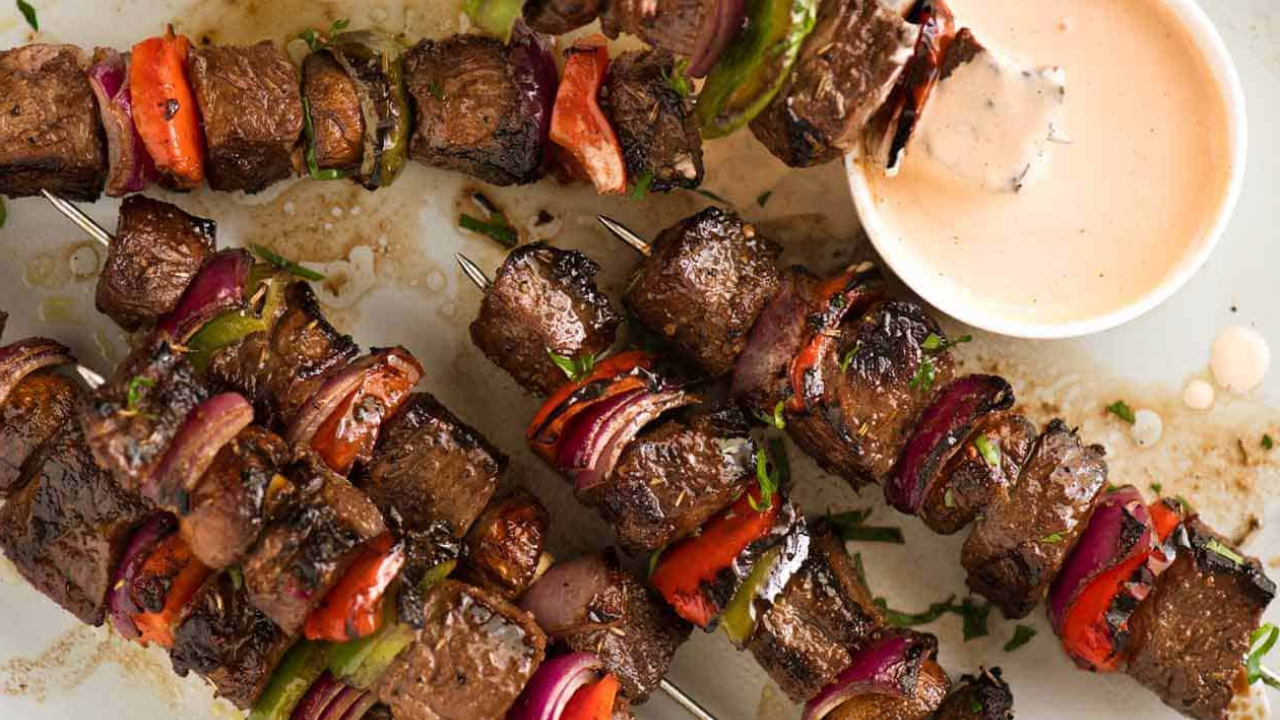
Nothing compares to the mouthwatering aroma of beef kebabs seasoned with traditional spices and grilled until perfectly charred on the outside while remaining juicy and tender on the inside. Across Middle Eastern street grills, South Asian kebab houses, and family kitchens, beef kebabs have earned legendary status for their bold spice profile, smoky fragrance, and deeply satisfying texture. These kebabs are not just food; they are a reflection of culinary heritage shaped by generations of slow marination, careful spice blending, and high-heat cooking techniques. In this detailed guide, you’ll learn how to recreate authentic beef kebabs at home using classic spices, the right cut of meat, and restaurant-style methods—without needing special equipment or professional skills. With the right approach, you can enjoy rich, smoky, and flavorful kebabs straight from your kitchen.
What Makes Traditional Beef Kebabs So Flavorful?
The exceptional taste of traditional beef kebabs comes from a perfect balance of ingredients, preparation, and cooking technique. First, the right cut of beef is essential. Meat with a moderate amount of fat ensures the kebabs stay juicy during high-heat cooking. Second, traditional spices such as cumin, coriander, red chili, garam masala, and black pepper work together to enhance the beef’s natural richness rather than overpower it. These spices have been used for centuries because they complement red meat beautifully. Third, slow marination allows the flavors to penetrate deeply, while cooking over high heat creates the signature charred exterior and smoky aroma. When these three elements align, the result is a kebab that is smoky on the outside, tender inside, and packed with complex, aromatic flavor.
Choosing the Right Ingredients for Authentic Beef Kebabs
Great kebabs always begin with quality ingredients. The beef should be freshly ground or finely minced, ideally with 15–20 percent fat. Cuts like chuck or shoulder are perfect because they strike the right balance between flavor and moisture. Lean beef may seem healthier, but it often results in dry, tough kebabs. Aromatics play a vital role as well. Finely chopped or grated onions add moisture and subtle sweetness, while ginger-garlic paste provides warmth and depth.
Fresh herbs such as coriander leaves and mint brighten the overall flavor and cut through the richness of the beef. The spice mix forms the backbone of the recipe. Cumin and coriander add earthiness, red chili brings controlled heat, paprika enhances color, garam masala contributes warmth, black pepper sharpens the flavor, and turmeric adds a mild bitterness and aroma. A small amount of oil or melted butter boosts juiciness, while gram flour or breadcrumbs help bind the mixture so the kebabs hold their shape during cooking.
Ingredients List for Beef Kebab with Traditional Spices
Beef
Use 700 grams of ground or finely minced beef, preferably with 15–20 percent fat for juiciness and flavor.
Aromatics and Herbs
One medium onion, very finely chopped or grated, helps retain moisture and structure. Two tablespoons of ginger-garlic paste add depth. Fresh coriander leaves provide freshness, while mint leaves are optional but recommended for a traditional aroma.
Traditional Spice Mix
Cumin powder and coriander powder form the base of the spice blend. Red chili powder adds heat, paprika improves color, garam masala provides warmth, black pepper sharpens flavor, turmeric adds subtle earthiness, and salt balances everything.
Binding and Moisture
A tablespoon of oil or melted butter ensures tenderness, while gram flour or breadcrumbs help the kebabs hold together during cooking.
Step-by-Step Beef Kebab Recipe (Traditional Style)
Step 1: Preparing the Kebab Mixture
Start by placing the ground beef in a large mixing bowl. Add the finely chopped onion, ginger-garlic paste, fresh herbs, all the spices, oil or melted butter, and the binding agent. Using clean hands, gently mix everything until just combined. Avoid overmixing, as this can make the kebabs dense and tough. The mixture should be cohesive, soft, and slightly sticky.
Step 2: Resting and Marination
Cover the bowl and refrigerate the mixture for at least 30 to 60 minutes. This resting period is crucial because it allows the spices to infuse deeply into the meat and improves binding. Well-rested kebabs hold their shape better and develop a more complex flavor during cooking.
Step 3: Shaping the Kebabs
Lightly grease your hands with oil to prevent sticking. Take portions of the mixture and shape them onto skewers for a classic look or mold them into long oval logs if skewers are unavailable. Apply gentle pressure so the kebabs are firm but not compact. Proper shaping ensures even cooking and a tender bite.
Step 4: Cooking the Beef Kebabs
There are several effective ways to cook beef kebabs at home. Grilling or barbecuing over medium-high heat delivers the most authentic smoky flavor. Cook the kebabs for about 10 to 12 minutes, turning frequently to ensure even browning and char.
If grilling isn’t possible, pan-grilling on a tawa or grill pan works well. Heat a little oil over medium heat and cook the kebabs, turning them until all sides are evenly browned. Baking in an oven or air fryer is another convenient method. Preheat to 200°C and bake for 15–18 minutes, finishing with a short broil for a smoky char.
Step 5: Final Touches Before Serving
Once cooked, brush the hot kebabs with butter or ghee to enhance richness and shine. Sprinkle a little chaat masala and serve with lemon wedges. Let the kebabs rest for two minutes before serving so the juices redistribute evenly.
Pro Tips for Soft, Juicy, and Perfect Beef Kebabs
Achieving consistently good kebabs requires attention to detail. Always choose beef with sufficient fat, as lean meat dries out quickly. Onions should be finely chopped or grated to avoid excess moisture that can cause kebabs to break. Avoid adding water or yogurt, which can weaken structure. Do not overcook, as beef cooks quickly and can become tough. Letting kebabs rest briefly before serving helps retain juices and improves texture.
Best Side Dishes to Serve with Beef Kebabs
Beef kebabs pair wonderfully with fresh and tangy sides. Mint chutney, garlic sauce, or yogurt-based dips complement the spices. Pickled onions and cucumber salad add crunch and acidity. Warm naan or pita bread makes the meal more filling, while hummus or tahini enhances the smoky flavors. Kebabs can also be served as wraps with fresh vegetables for a complete and satisfying meal.
Conclusion
Traditional beef kebabs are a celebration of bold spices, smoky aroma, and juicy texture that never goes out of style. With the right cut of beef, a balanced spice blend, and proper cooking technique, you can easily recreate restaurant-quality kebabs in your own kitchen. These kebabs are versatile enough to serve as appetizers, main dishes, or wrap fillings, making them perfect for family meals, weekend gatherings, or special occasions. Once you master this recipe, it’s bound to become a staple in your cooking routine, delivering authentic flavor and unforgettable taste every single time.
Frequently Asked Questions
1. Which cut of beef is best for kebabs?
Chuck, shoulder, or ground beef with some fat works best for juicy kebabs.
2. Can I make beef kebabs without skewers?
Yes, you can shape them as patties or logs and cook on a pan or oven tray.
3. Why do beef kebabs become hard?
Overmixing, using lean beef, or overcooking causes hardness.
4. Can I freeze beef kebab mixture?
Yes, freeze uncooked kebabs for up to 1 month in an airtight container.
5. How do I add smoky flavor without a grill?
Place a small piece of hot charcoal in a bowl, drizzle oil, and cover the kebabs for 2 minutes (dhungar method).