
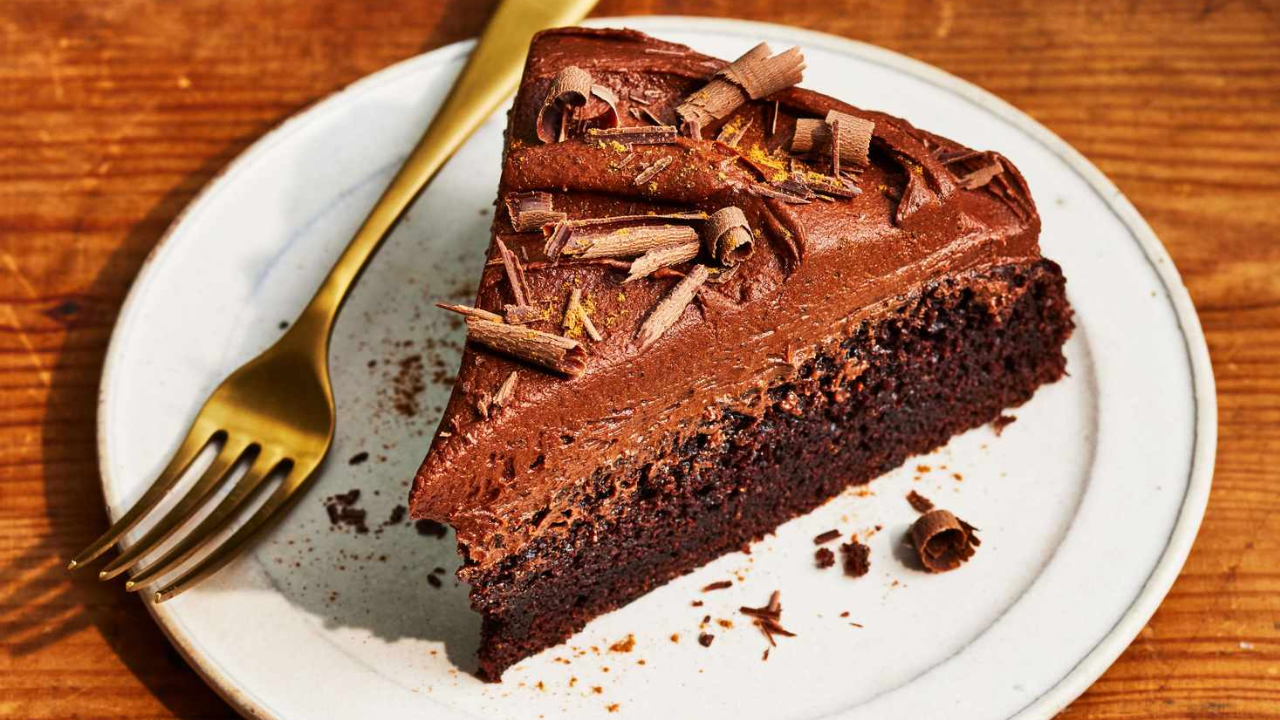
Every home baker needs a dependable chocolate cake recipe—the kind you can pull out for birthdays, potlucks, dinner parties, or those moments when only chocolate will do. Like a classic black dress, a great chocolate cake should be timeless, reliable, and flattering in every situation.
Ask around and you’ll hear plenty of tips for intensifying chocolate flavor. Coffee is a popular one, and yes—it absolutely works. But if there’s one ingredient that consistently elevates chocolate cake from good to unforgettable, it’s Dutch-process cocoa powder.
This unsung hero delivers deeper color, smoother flavor, and a richness that standard cocoa simply can’t match. Once you bake with it, you’ll understand why many professional kitchens won’t make chocolate cake without it.
What Is Dutch-Process Cocoa Powder?
Dutch-process cocoa powder (sometimes labeled “Dutched”) is cocoa that has been treated with an alkalizing agent to neutralize its natural acidity. This process transforms cocoa in two important ways:
- Darker color: Cakes appear richer and more chocolatey
- Smoother flavor: Less bitterness and sharper acidity than natural cocoa
Natural cocoa powder has a bright, slightly tangy chocolate flavor. Dutch-process cocoa, by contrast, tastes rounder, mellower, and more intense—exactly what you want when chocolate is meant to be the star.
That’s why Dutch-process cocoa shines in cakes, brownies, frostings, and sauces where depth and richness matter most.
Why Dutch-Process Cocoa Makes Chocolate Cake Better
When used in chocolate cake, Dutch-process cocoa delivers three standout benefits:
1. Deeper Chocolate Flavor
Because it’s less acidic, the cocoa flavor comes across as fuller and more developed rather than sharp or bitter.
2. Rich, Dark Color
Dutch-process cocoa gives cakes that bakery-style, almost black-chocolate hue that signals decadence before the first bite.
3. Smoother Crumb
The reduced acidity contributes to a softer, more velvety cake texture—especially when paired with the right leavening.
If you’ve ever baked a chocolate cake that tasted slightly harsh or looked lighter than expected, the cocoa powder may have been the culprit.
Can You Use Dutch-Process Cocoa Powder In Any Recipe?
This is where technique matters. Because Dutch-process cocoa is not acidic, it interacts differently with leavening agents.
When It Works Perfectly
- Recipes that use baking powder
- Recipes that use both baking soda and baking powder
- Frostings, sauces, hot chocolate, and brownies (no rise concerns)
Baking powder already contains acid, so it doesn’t rely on cocoa for lift. In these cases, swapping in Dutch-process cocoa is safe and often beneficial.
When To Be Careful
If a recipe relies only on baking soda for rise, it usually needs the acidity of natural cocoa powder. Replacing it with Dutch-process cocoa can result in a flat or dense cake.
Some well-designed recipes balance this by using both leaveners. For example, many ultra-chocolatey cakes pair Dutch-process cocoa with equal parts baking soda and baking powder to ensure proper lift and maximum flavor.
Beyond Cake: Other Delicious Uses
Dutch-process cocoa isn’t just for cakes. It’s an easy upgrade for:
- Chocolate buttercream frosting
- Hot fudge sauce
- Hot chocolate
- Brownies
Because these recipes don’t depend on chemical reactions for structure, you can use Dutch-process cocoa freely—no adjustments needed. In chocolate-forward desserts, the difference is instantly noticeable.
What About Black Cocoa?
Black cocoa is an ultra-Dutched cocoa powder with an even darker color and extremely smooth flavor. It’s what gives cookies like sandwich wafers their signature near-black appearance. While it’s not ideal as a full replacement in cakes, blending a small amount with Dutch-process cocoa can add dramatic color without sacrificing flavor.
Where To Buy Dutch-Process Cocoa Powder
You don’t need to visit a specialty store to find it. Dutch-process cocoa powder is usually stocked right next to natural cocoa powder in the baking aisle. Look for packaging labeled:
- “Dutch-process”
- “Dutched cocoa”
- “Alkalized cocoa”
Many grocery stores carry both natural and Dutch-process options, so read labels carefully. Higher-end versions are also available online for bakers who want a more intense cocoa experience, though supermarket varieties work beautifully for everyday baking.
The Takeaway
A great chocolate cake doesn’t require complicated techniques or secret methods—just the right ingredients used thoughtfully. Dutch-process cocoa powder is one of those quiet upgrades that delivers outsized results: darker color, smoother flavor, and richer chocolate intensity.
If chocolate cake is a staple in your kitchen, consider keeping Dutch-process cocoa powder on hand. Once you do, you may never go back.